
Why is early childhood the best moment to begin bilingualism?
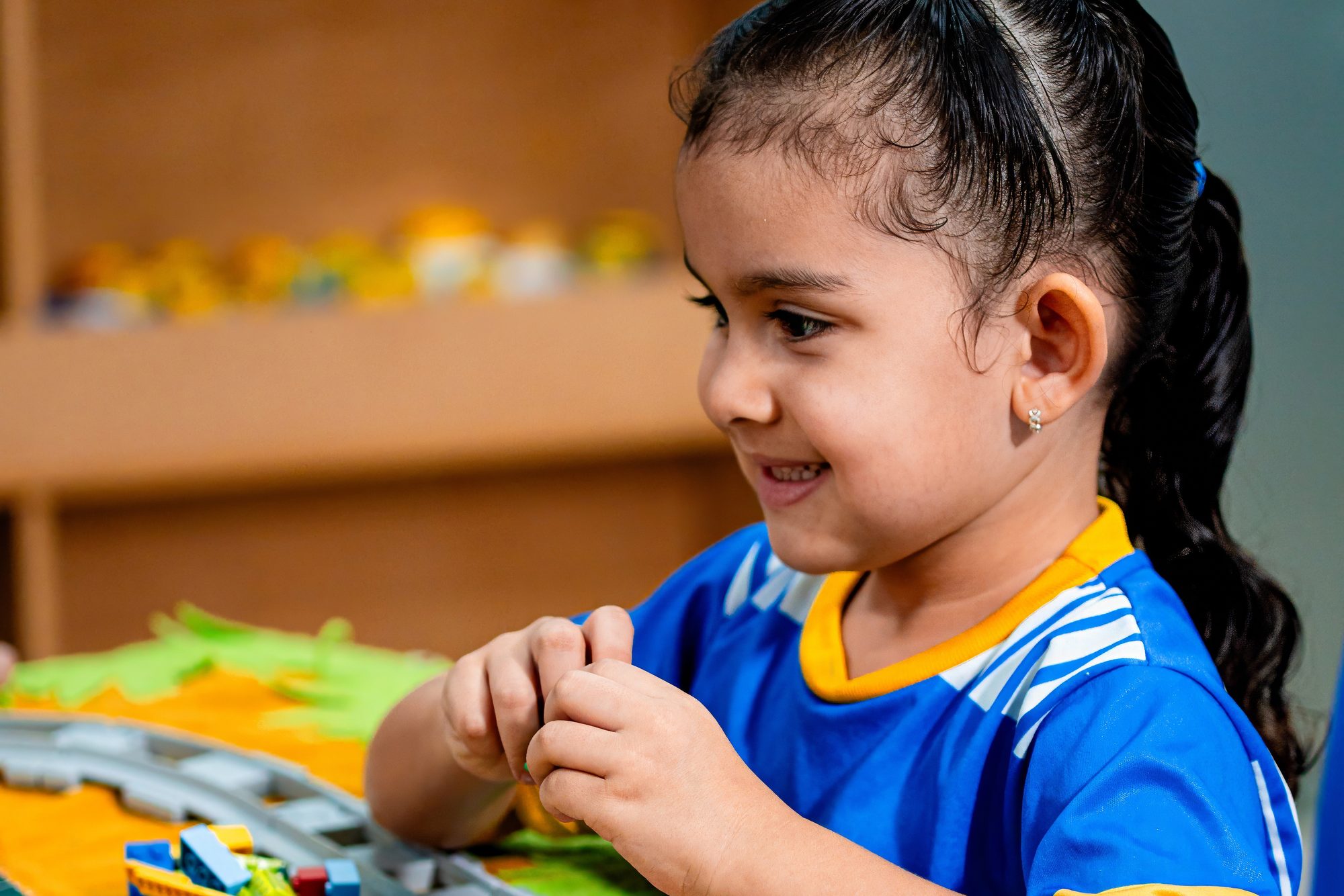
Early childhood is the best moment to begin bilingualism because a small child’s brain learns languages naturally, through play and without fear of getting it wrong.
Early childhood is the most fertile ground there is for learning. It is when children ask the most questions, take the most risks and take in the world with an ease that never comes back. Rather than waste that moment, Palas Atena puts it at the center of the education.
From Maternal through Jardim II, English is not a separate lesson: it lives in the games, the songs and the discoveries of each day. Children grow up bilingual as naturally as they learn to talk, to run and to imagine.
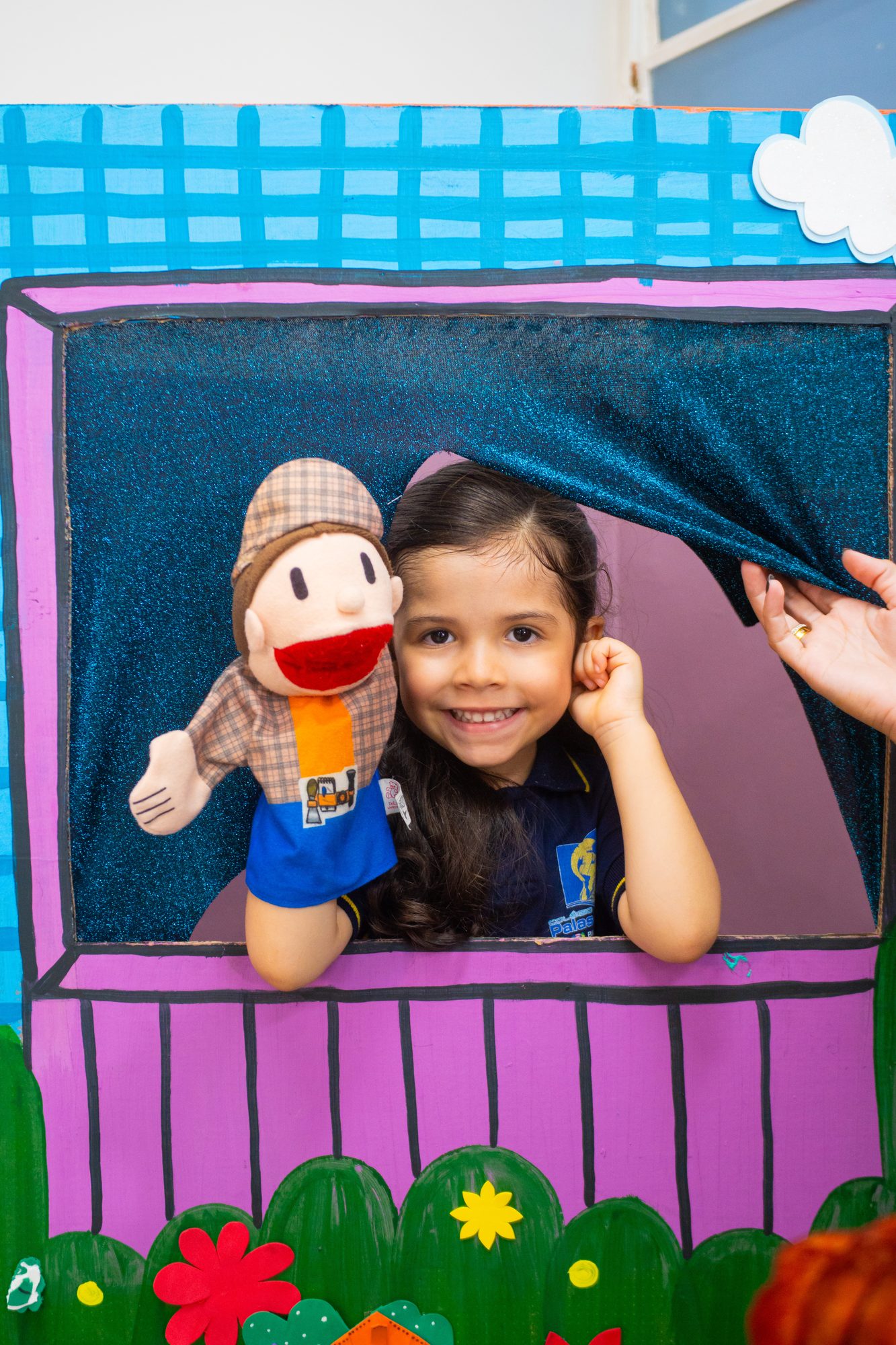
“In the earliest years, learning happens naturally, through listening, repetition and the experiences of everyday life. Children come to see English as part of the routine, which makes taking the language in easier and helps build self-confidence and independence from the start.”
How it works
What is Educação Infantil like at Palas Atena?
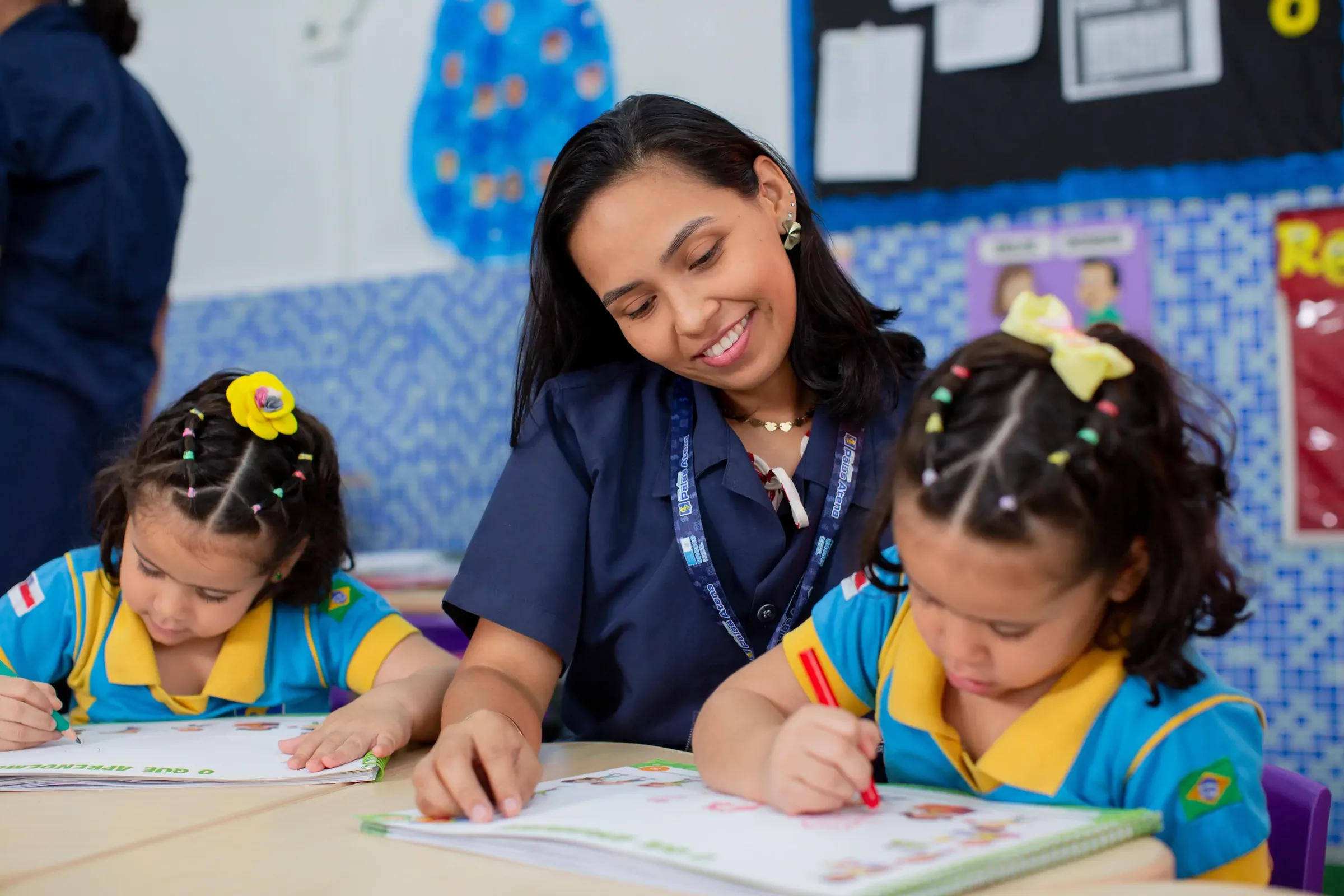
It is a routine designed to respect each child’s timing and turn the whole day into discovery. Here, learning is something alive, not a chore.
At each child’s pace
Every child blooms in their own time. Nobody here is chasing an average: the learning respects the one who is learning.
Learning with your own hands
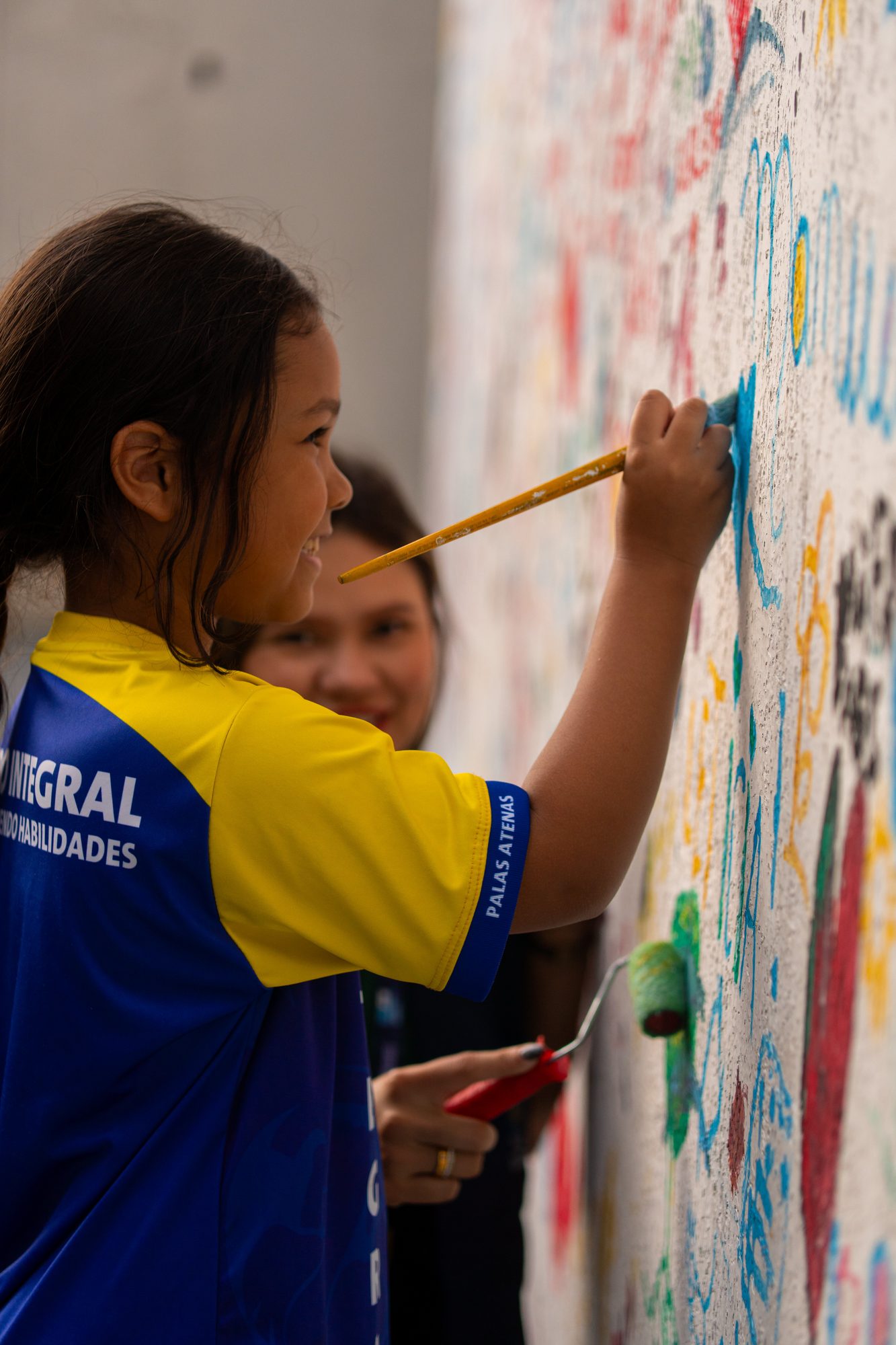
Children discover by touching, building, painting and trying. Knowledge comes in through the body before it becomes a word.
A space that teaches on its own
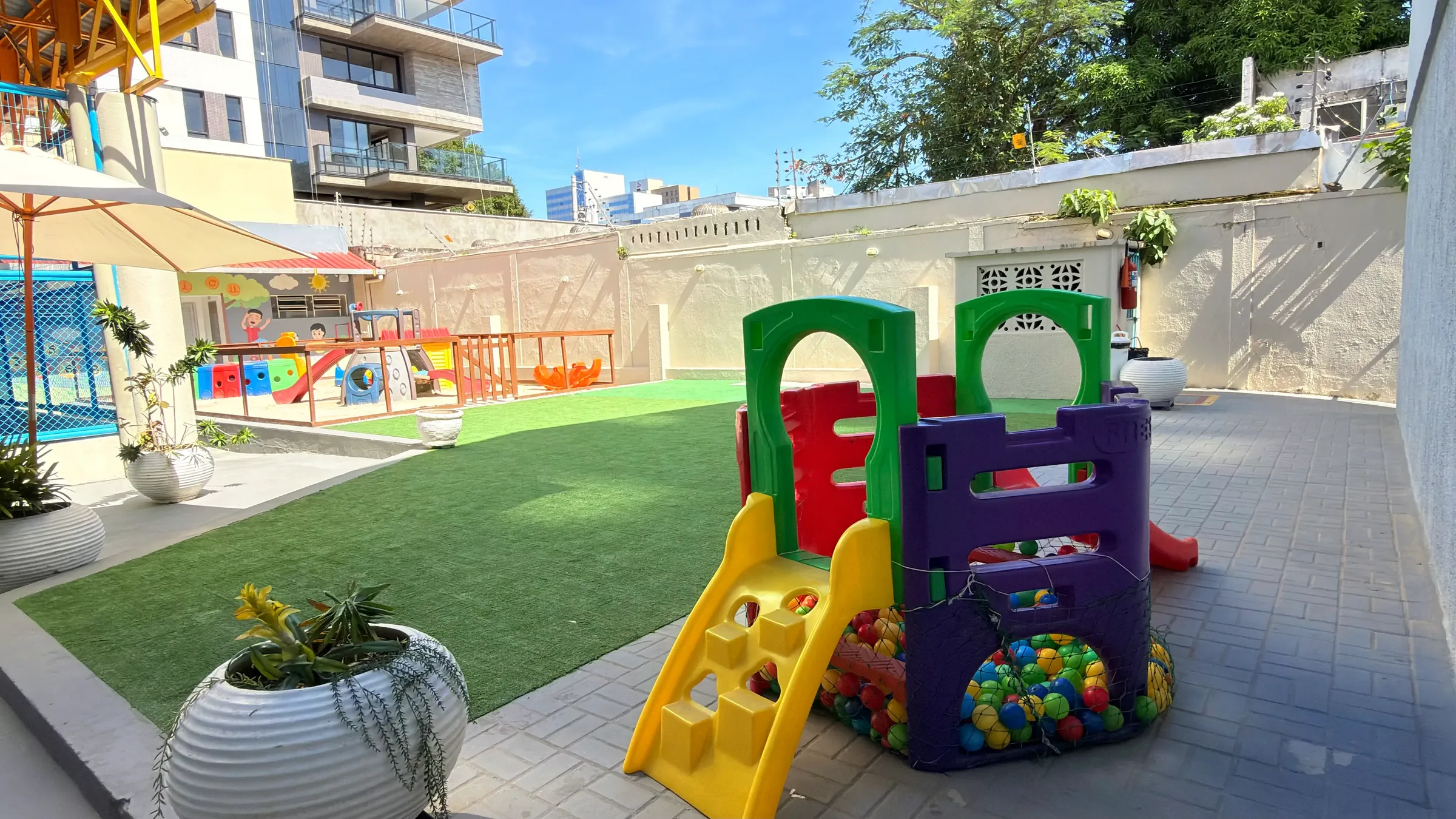
Every corner of the room is designed to invite discovery. The space becomes the teacher, and the child the explorer.
Listening comes before the lesson
Projects grow out of the children’s own questions. Teaching begins by listening to what makes them curious.
English lived, not memorized
The second language shows up in the games, the songs and the routines, with the lightness of learning without noticing.
Independence from the earliest years
Small choices every day build confident children, able to think and decide on their own.
Is my child too young for bilingual immersion?
No, a small child is not too young for a bilingual program: they are at the ideal age. The younger the child, the more naturally their brain takes languages in, the way it takes in a first language.
The worry makes sense, but the evidence is clear: the earliest years are the most powerful window for learning languages. A young brain recognizes sounds, patterns and meanings with a plasticity adults no longer have. Starting early does not overload, it frees.
That is why immersion at Palas is gradual and welcoming, with no pressure and no rush. Children do not study English, they live in English, through play. That base starts in Maternal and holds firm through 9th grade, preparing your child for a whole world of opportunity.
Questions about early childhood
What families ask about the earliest years
From what age can a child join Educação Infantil at Palas Atena?
From two complete years of age by March 31. Educação Infantil at Palas Atena runs from Maternal through Jardim II, welcoming children with warmth and respect for their own pace, at the ideal moment to begin bilingual immersion.
Does English immersion this early get in the way of learning Portuguese?
No. Living with two languages from an early age strengthens language as a whole, Portuguese included. Bilingual children build more vocabulary, focus and flexible thinking, and go on commanding their mother tongue naturally.
Will my child feel welcome while settling in?
Yes. Being made welcome is the starting point of early childhood at Palas Atena. Settling in is gradual and done with care, respecting each child’s own timing so they feel safe, confident and glad to explore what is new.
How does bilingual early childhood prepare my child for the future?
Bilingual early childhood builds the base for everything that follows. By living English and curiosity from the start, children build the independence, thinking and fluency that stay with them through 9th grade and across their whole schooling, opening destinations well beyond Manaus.
Admissions
Visiting is where it starts
See the spaces, talk to the team and understand how we teach before deciding anything.
- 1 You get in touch
- 2 We find the best day
- 3 You visit, with no obligation